



Diamond Guide
Let’s dive into the brilliance, beauty, and value behind one of life’s most meaningful purchases.
Diamond Guide: How to Choose the Perfect Diamond
Choosing a diamond can feel overwhelming, but understanding the key factors—cut, color, clarity, and carat—makes it easier to find the right balance of beauty and value. This guide breaks down everything you need to know before buying a diamond for an engagement ring or fine jewelry. We believe that an informed buyer is a confident buyer and we’re here to help you feel empowered every step of the way.
What are the 4 Cs of diamonds?
The 4 Cs—cut, color, clarity, and carat—are the standard factors used to evaluate a diamond’s quality and value. Together, they determine how a diamond looks, sparkles, and how much it costs.

CUT
Cut refers to the proportions, internal facets, and symmetry of the diamond.

Clarity
Clarity measures any visible imperfections in the diamond and is an indication of its rarity.

Carat weight
Many think that carat refers to the diamonds’ size but carat is a measurement of weight, not size.
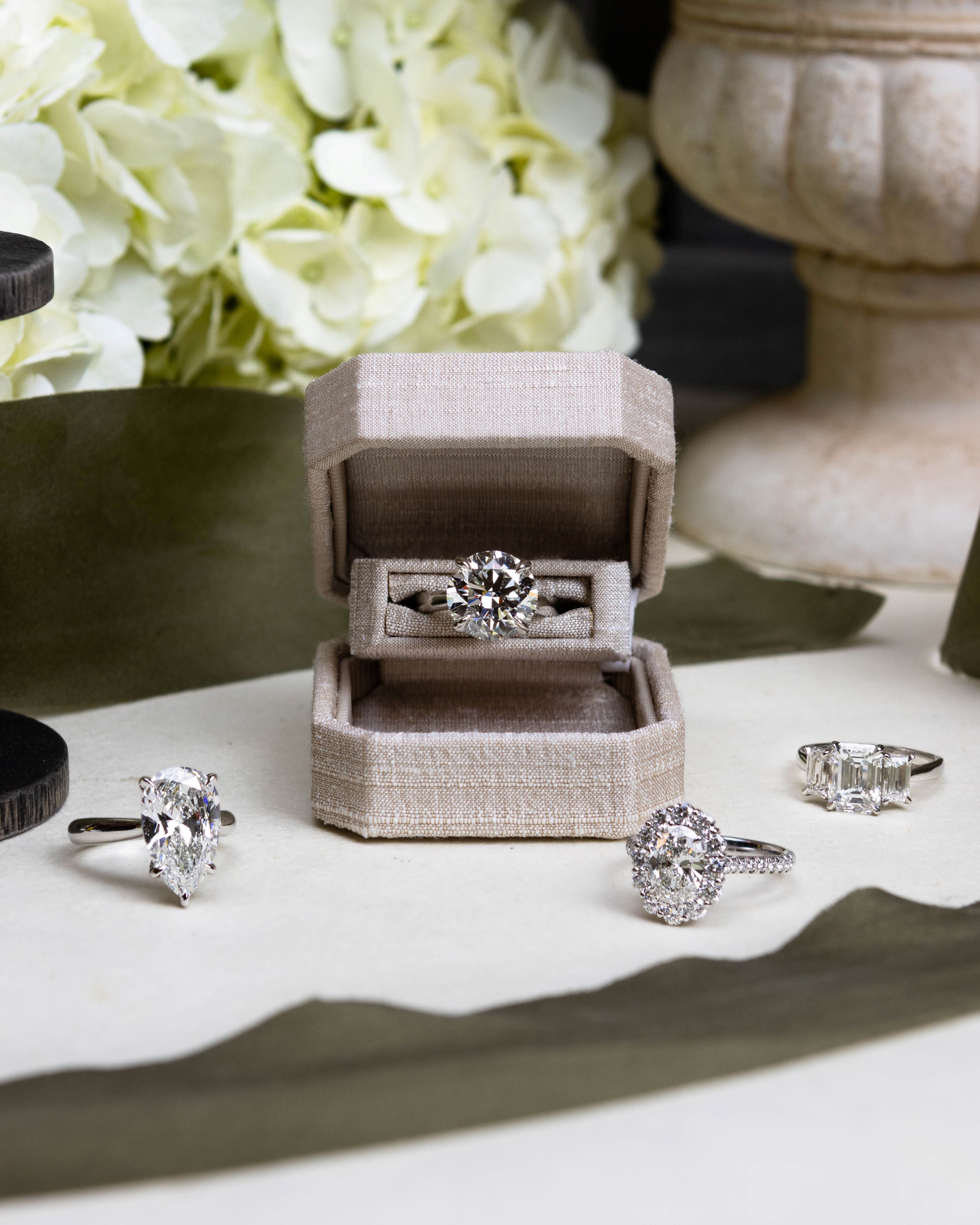
CUT
The art of cutting and polishing is where a diamond truly achieves its greatness. Fine diamonds are produced by the precision and skill of the world’s finest cutters.
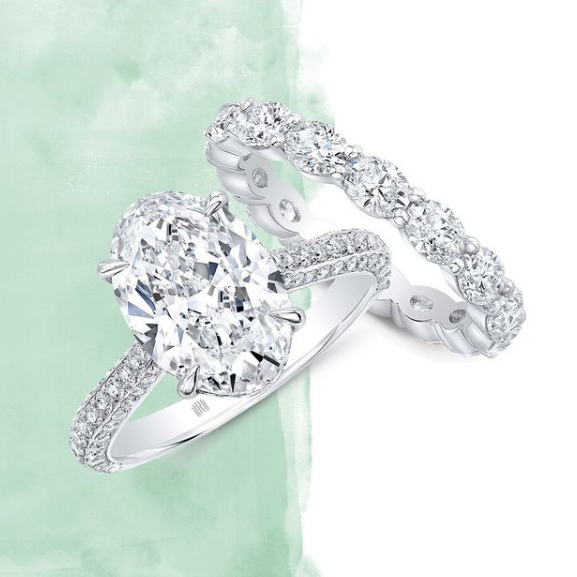
A polished diamond’s beauty lies in its complex relationship with light – how light strikes the surface, how much enters the diamond, how much light leaves the diamond, and what form of light returns to your eye. The result is a magnificent display of three attributes:
- Brightness is the combination of all white light reflecting from the surface and interior of a diamond.
- Fire describes the “flares” of color emitted from a diamond.
- Scintillation describes the flashes of light you see when the diamond, the light, or the observer moves! This is commonly known as sparkle.
A polished diamond’s proportions directly affect these three elements, which in turn affects its beauty, and overall appeal. Diamonds with fine proportions, symmetry, and polish optimize their interaction with light and have increased brightness, fire, and scintillation.
COLOR
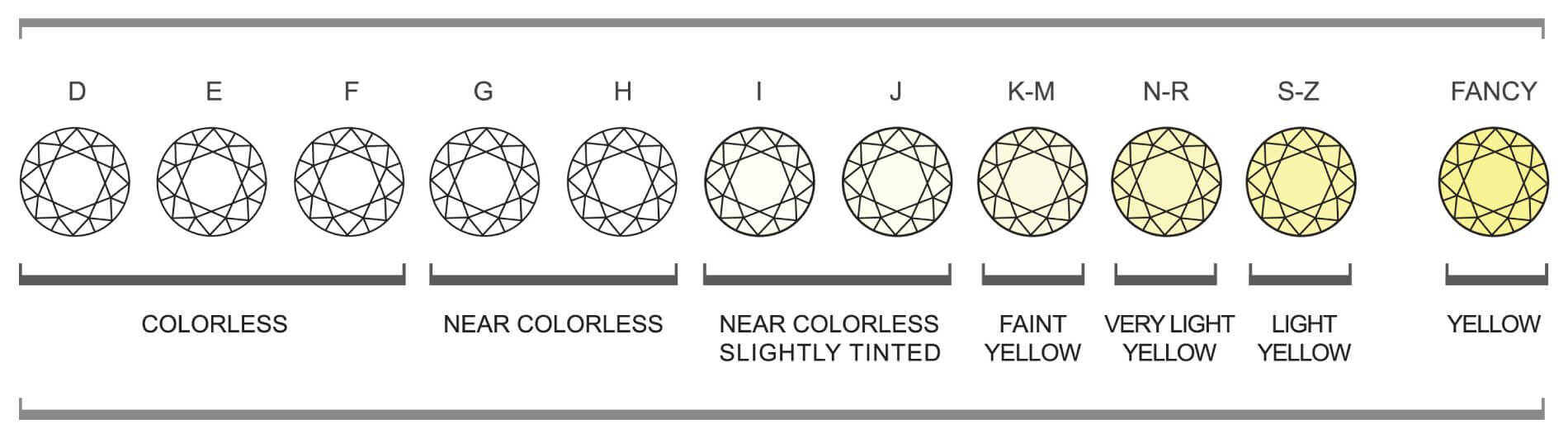
Although many people think of diamonds as white or colorless, truly colorless diamonds are actually very rare. Most diamonds used in jewelry are nearly colorless with tints of yellow or brown.
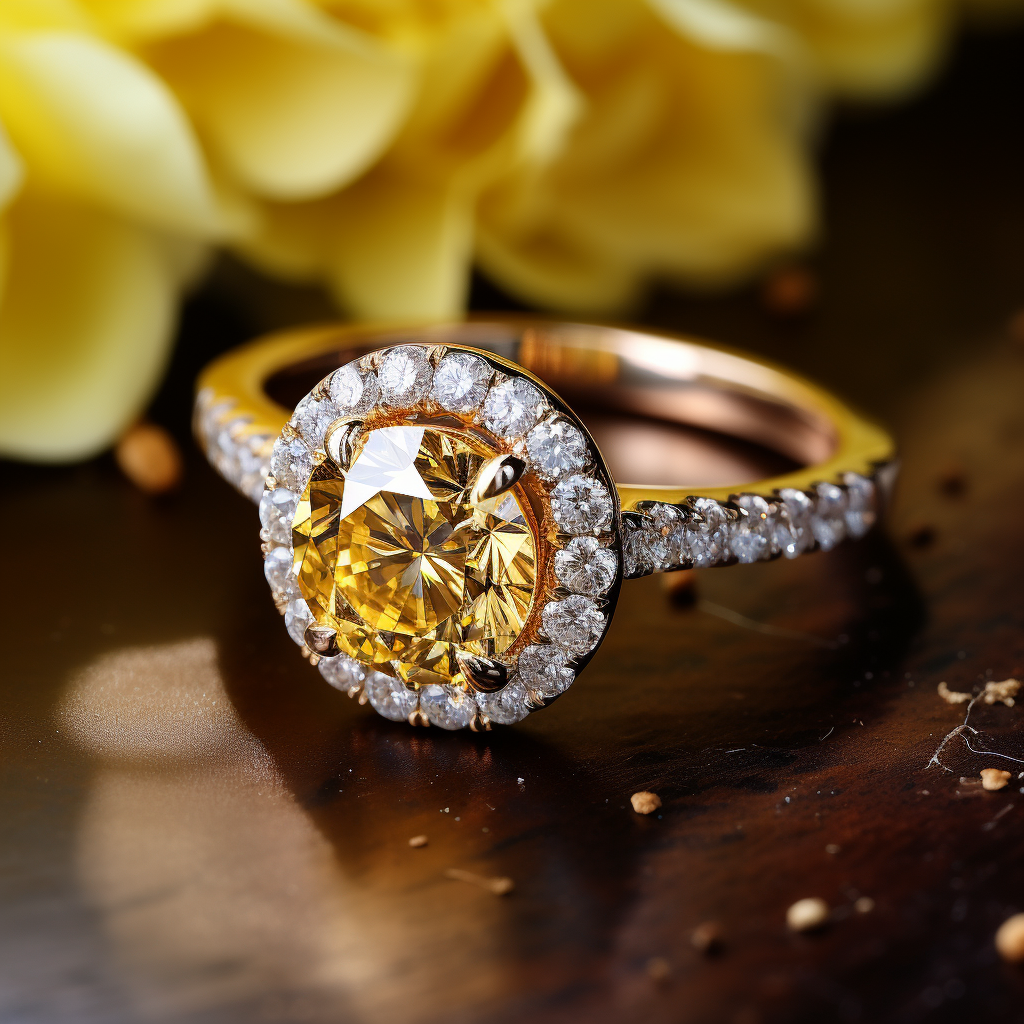
Color grades are determined by comparing each diamond to a master set. A diamond’s color is most accurately determined when it is not mounted in a setting. One reason for this is that the setting can introduce tints of its own color into the diamond. Think about setting a diamond in yellow gold – you would be able to see the warm tones from the gold reflecting through the diamond. Color can also be determined by the cut as well-cut diamonds can look up to two color grades better.
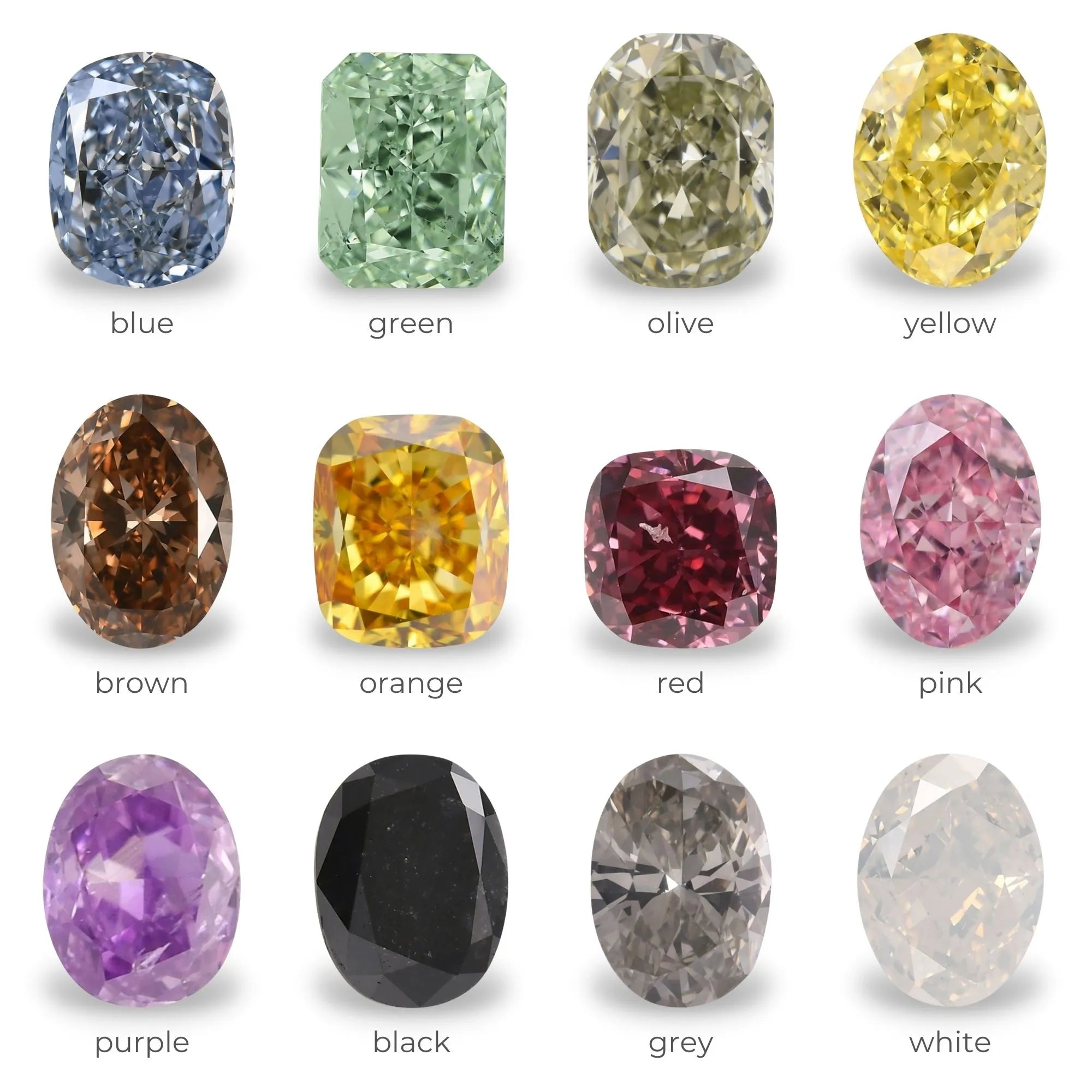
Diamonds also come in colors that are not graded on the D-Z scale such as blue, pink, purple, red, green, orange, brown, and yellow. These are commonly referred to as ‘fancy’ colored diamonds and are made possible by different elements incorporating themselves in the chemical makeup of the diamond. These diamonds, if natural in color, are even rarer than traditional white diamonds and can be even more expensive.
Clarity
Due to the tremendous heat and pressure under which diamonds are formed, different internal or external characteristics can be included in the diamonds’ makeup causing them to look imperfect either under powerful magnification or to the naked eye.
These characteristics are a byproduct of the diamond’s formation and help gemologists separate natural diamonds from man-made forms like lab-grown diamonds! They also act as identifiers because these characteristics, called inclusions, are like the diamond’s “birthmark” and are completely unique to each gem. In most cases, the presence of inclusions does not reduce the diamond’s beauty or durability because they cannot be seen to the naked eye. Less than 1 percent of all diamonds have no inclusions and can be deemed flawless (FL) or internally flawless (IF), making them super rare (and expensive!)
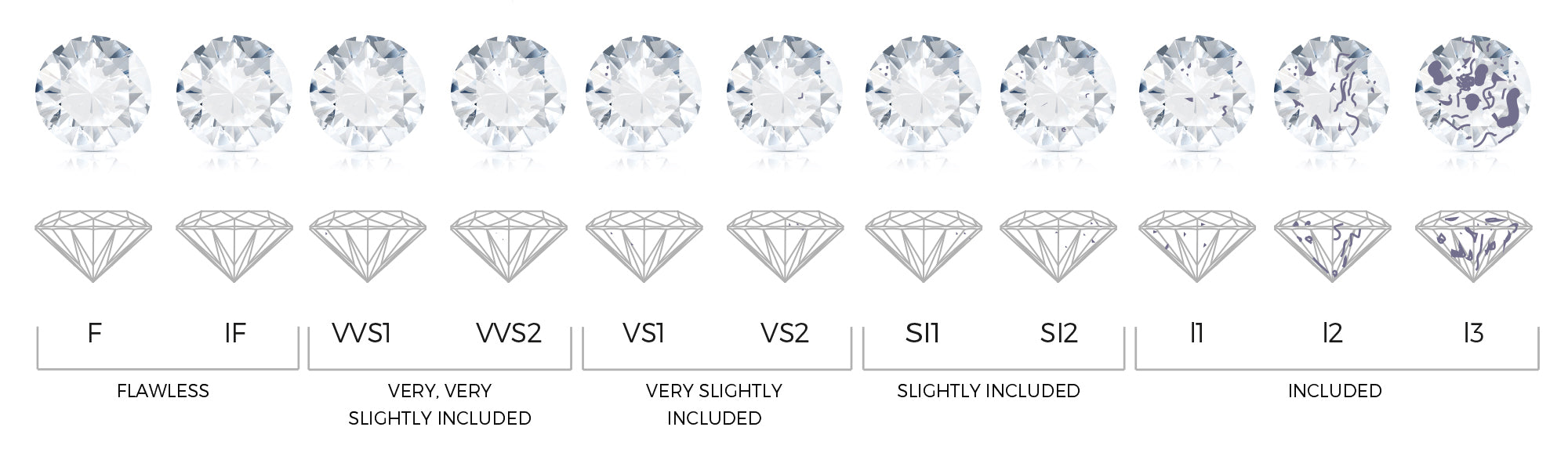
The scale of clarity goes from “Flawless”, meaning that there are no inclusions under 10x magnification, to “Very Very Slightly Included”, meaning that inclusions are difficult to identify under 10x magnification, and cannot be seen by the naked eye. Next, “Very Slightly Included”, meaning that a skilled grader could easily identify inclusions under 10x magnification but not by the naked eye, to “Slightly Included”, which means that inclusions are very noticeable under 10x magnification but not to the naked eye. Lastly, “Imperfect” means that inclusions are easily recognizable by the naked eye and they could affect the brilliance of the diamond.
Carat Weight
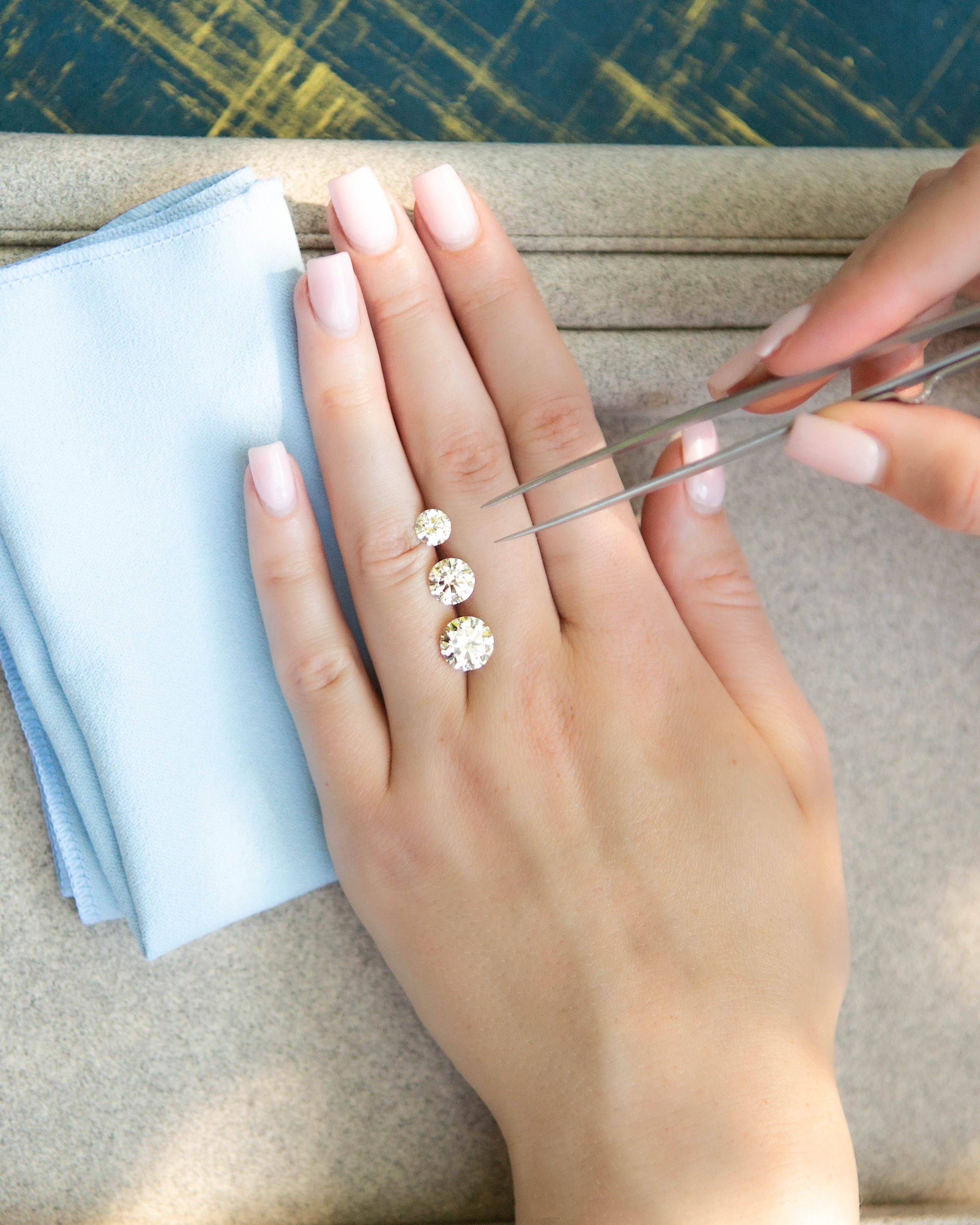
A diamond’s carat weight is exactly that…its weight, not its size. For example, when comparing two 1-carat round diamonds, it’s possible for them to look completely different in size due to the cut and proportions of the diamond! Diamonds have “optimized” cuts, meaning that if two 1-carat diamonds of the same shape are looking like completely different sizes, one is likely more optimally cut than the other.
If diamonds are cut too shallow, it might make them look bigger, but it reduces their sparkle. If diamonds are cut too deep, it might look smaller in size because it’s going to carry more of its weight in the lower portion of the diamond. It’s important to strike a balance between cut and carat when buying a diamond to be sure that you’re getting a high-quality gem.
Fun fact: the word carat comes from the word carob (as in carob seeds) which is how ancient cultures measured the weight of diamonds on their scales. In 1913, the weight was standardized internationally and adopted the metric system. One carat equals 200 milligrams. For diamonds under one carat, each carat is divided into 100 points. (like pennies in a dollar. 075 ct. = 75 points, .5 carat = 50 points).
Lab-Grown vs Natural Diamonds
Lab-grown diamonds have the same physical and chemical properties as natural diamonds but are created in controlled environments. They are often more affordable, while natural diamonds are valued for their rarity.
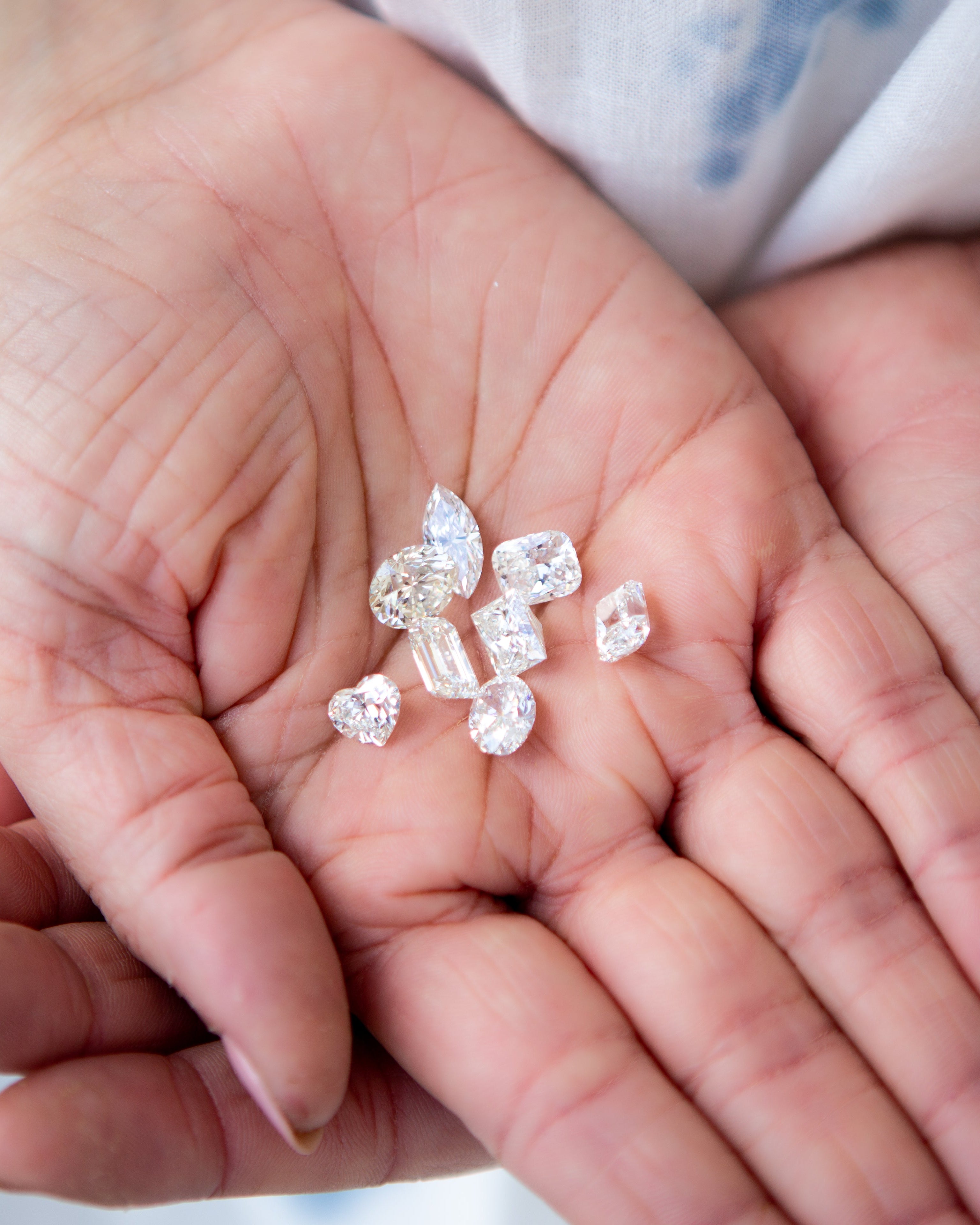
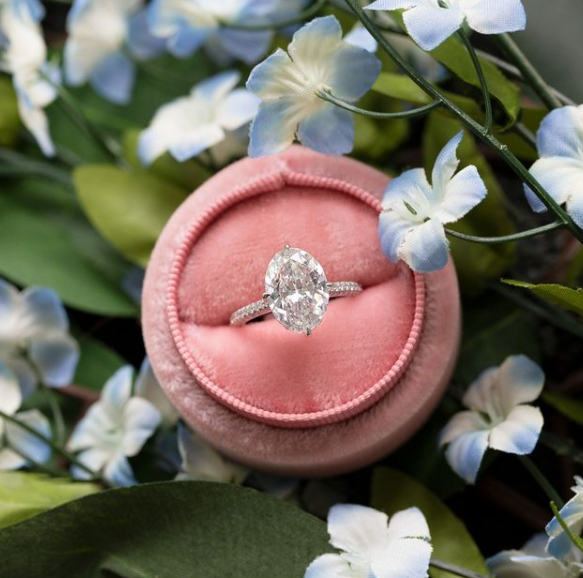
Every Diamond Tells A Story
NATURAL DIAMONDS
Formed deep within the earth over billions of years and shaped by time itself, each natural diamond is a rare miracle that has captivated humanity for over 3,000 years. They carry the weight of our planet’s history, the stories of lives we cherish, and the promise of generations to come.
Diamonds come in a spectrum of colors. Colored diamonds are called “fancies.” Blue and pink diamonds are among the rarest, whereas yellow and brown are among the most common.
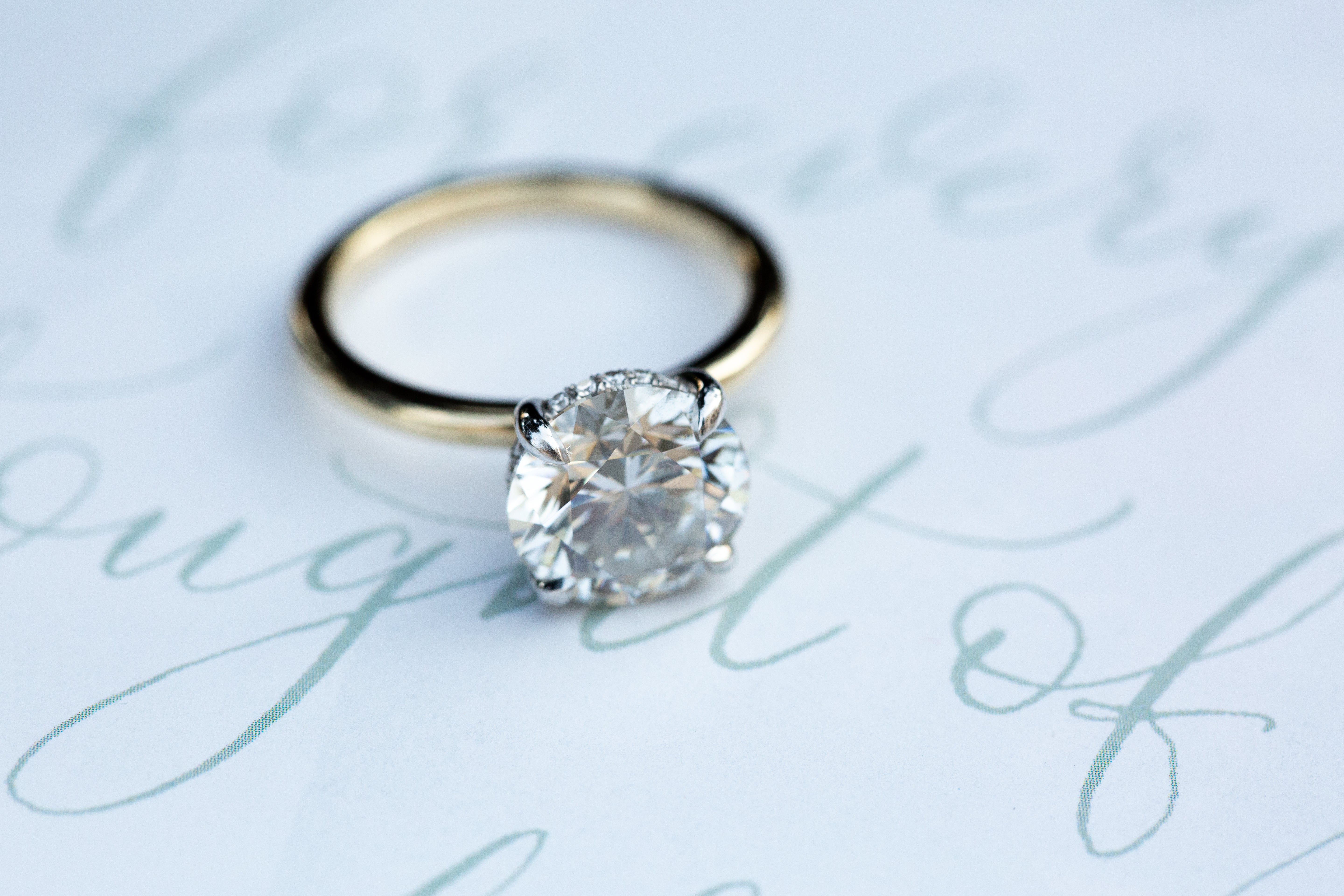
Looking for an alternative to traditional diamonds?
LAB-GROWN DIAMONDS
Lab-grown diamonds offer the same visual brilliance and chemical composition as natural diamonds, the difference lies in the scientific process in which they are created.
Synthetic diamonds created in a lab start with a small diamond seed placed in a sophisticated pressure chamber containing carbon. By recreating the intense heat and pressure of the earth’s crust, the diamond grows layer by layer.
How to Choose the Right Diamond
Start by prioritizing cut for maximum sparkle, then balance color and clarity based on your budget. Many buyers choose slightly lower color or clarity grades to maximize size without sacrificing appearance.
Diamond Shapes
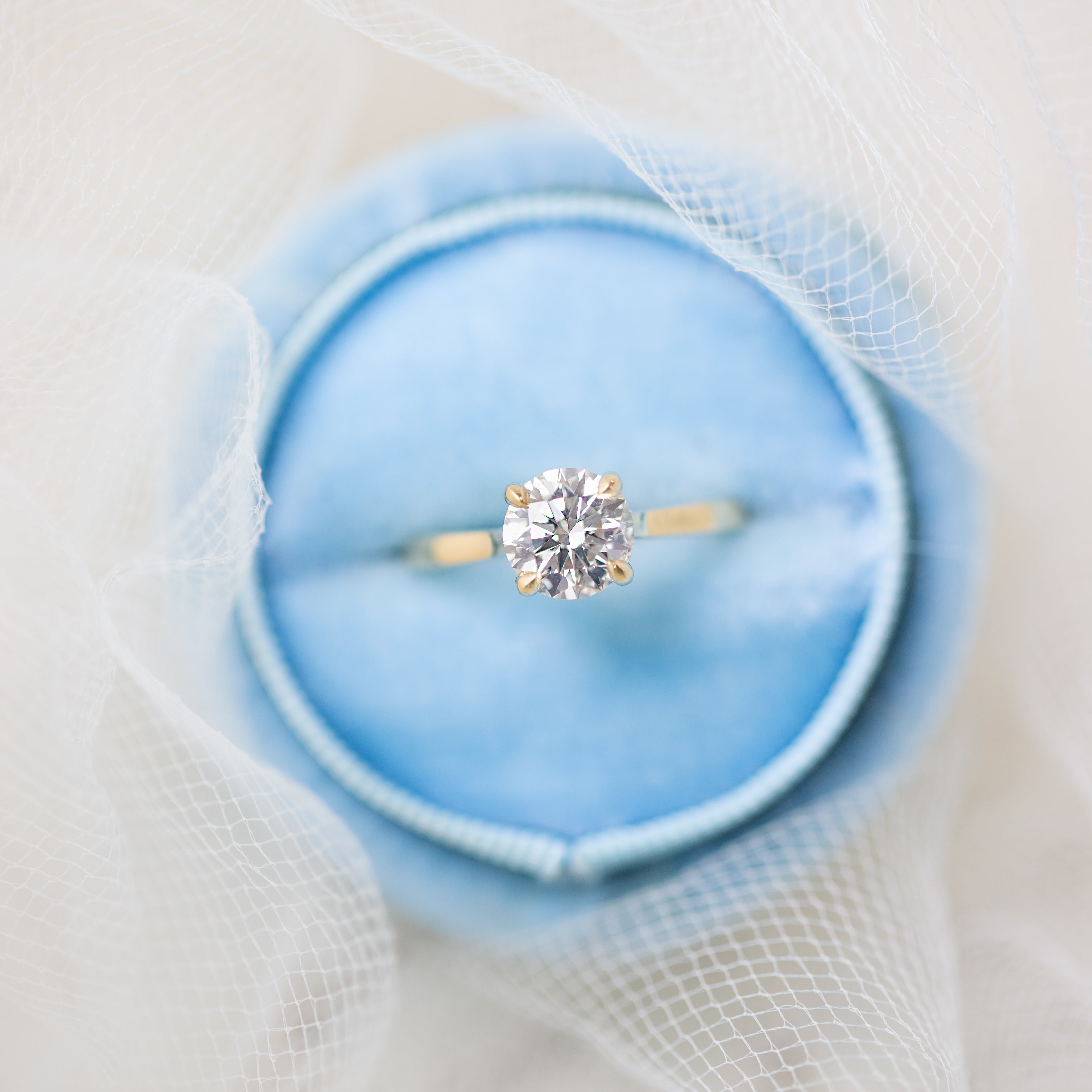
Round Brilliant
The most popular shape, known for maximum sparkle.
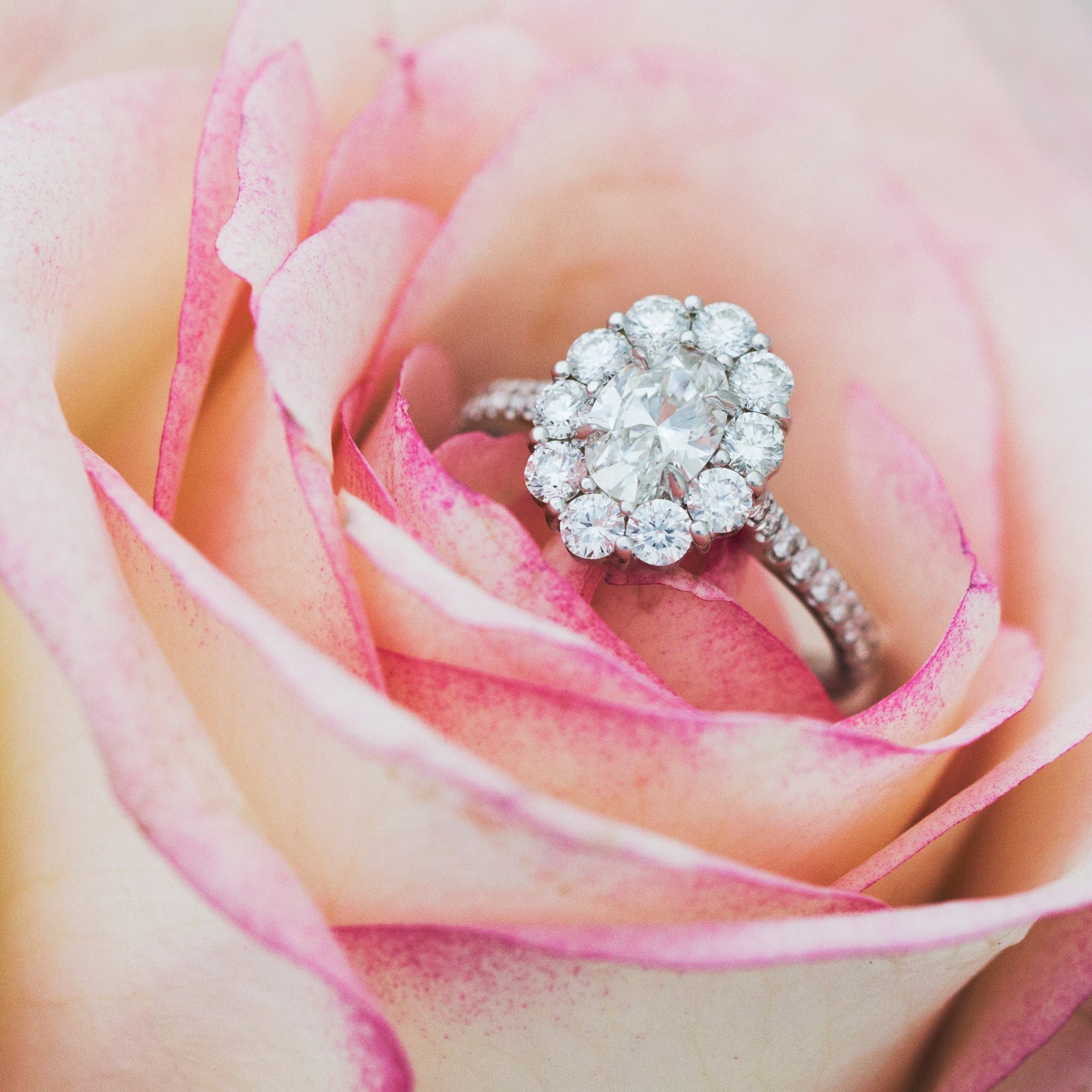
Oval
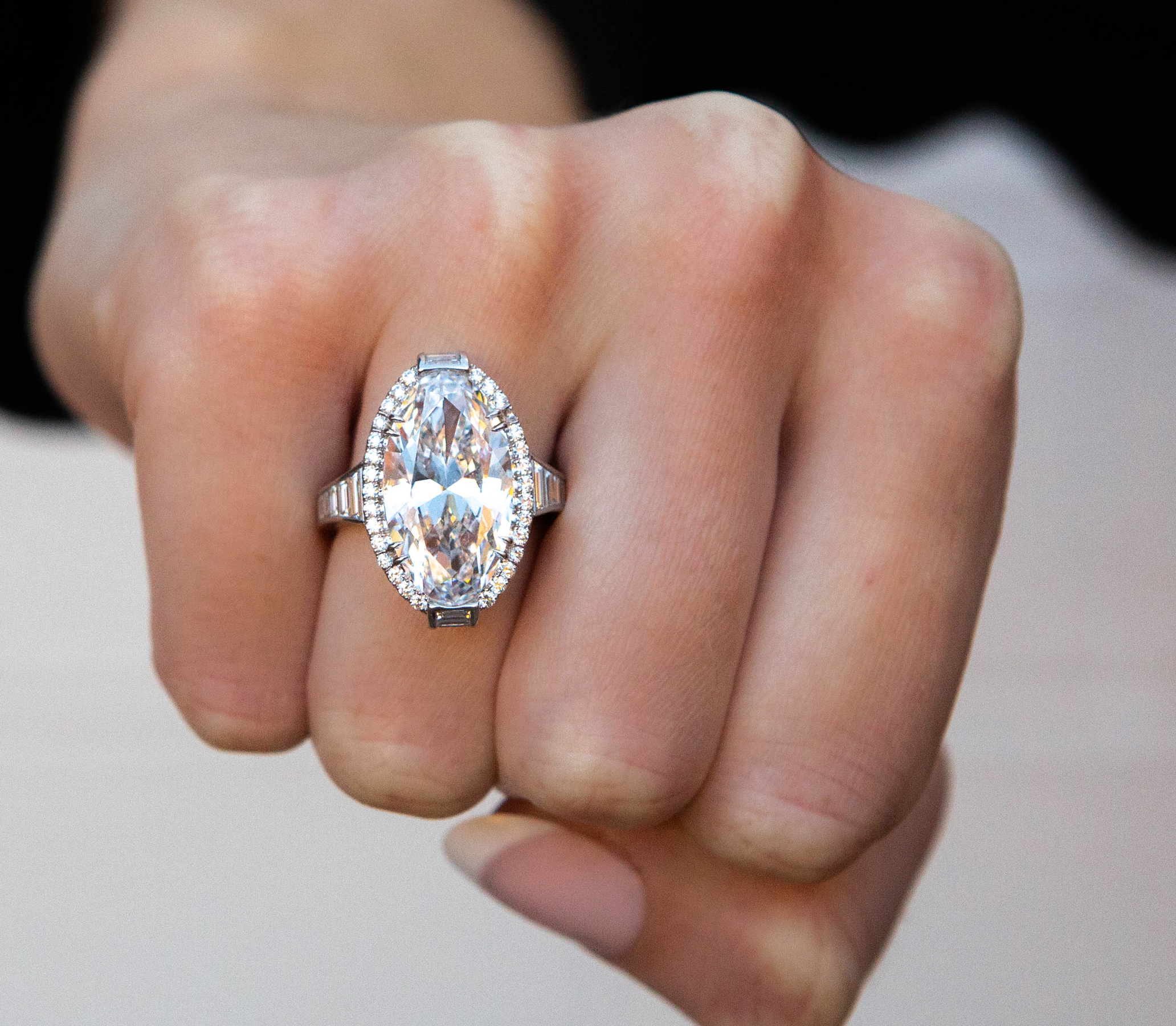
An elongated shape that appears larger than round diamonds of the same carat.
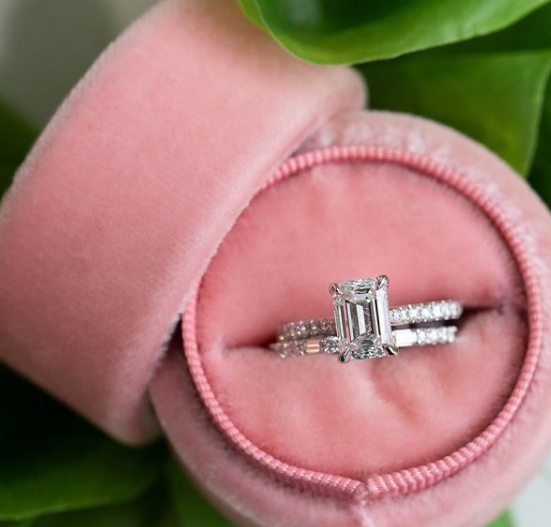
Emerald
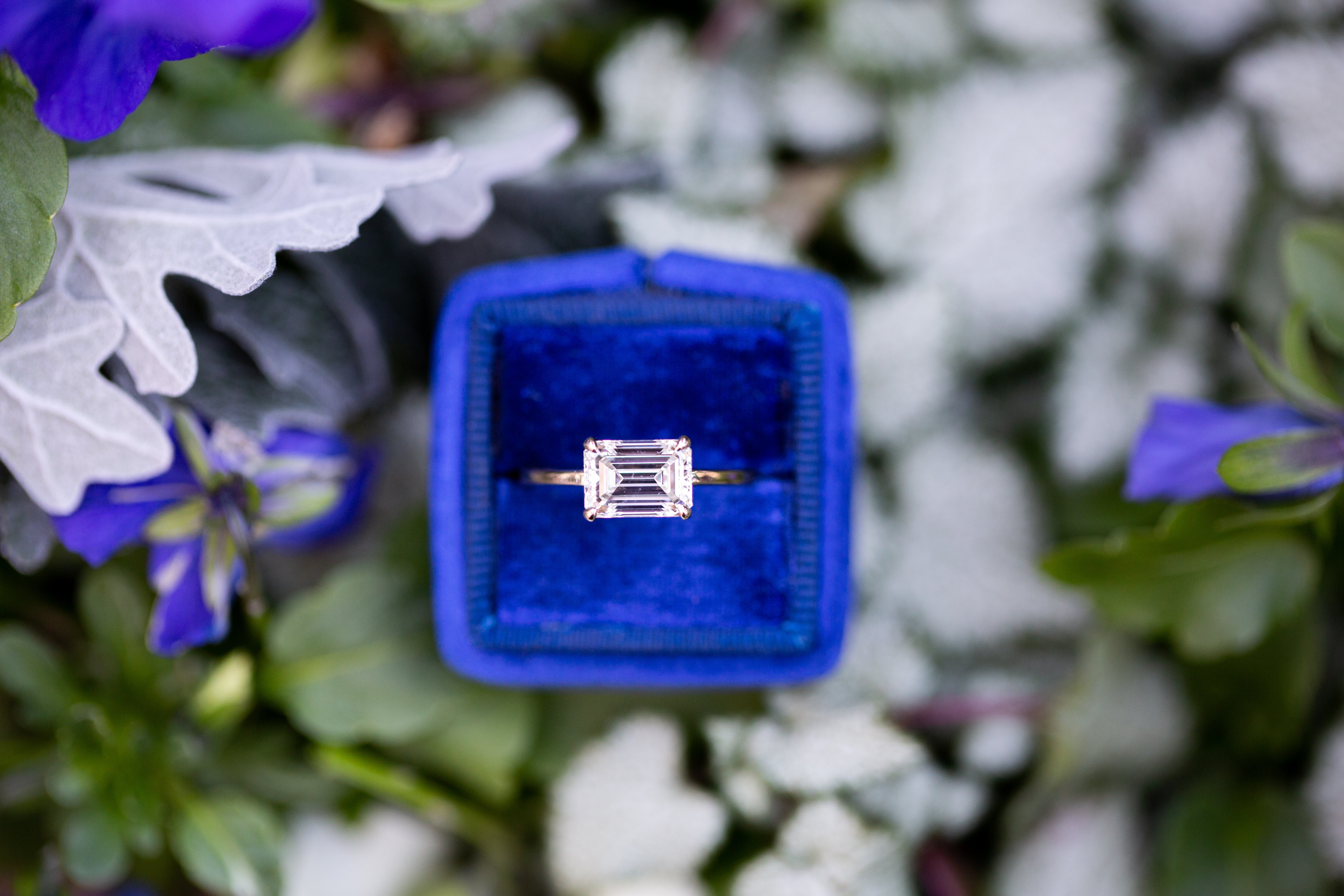
A step-cut shape with a clean, elegant look.
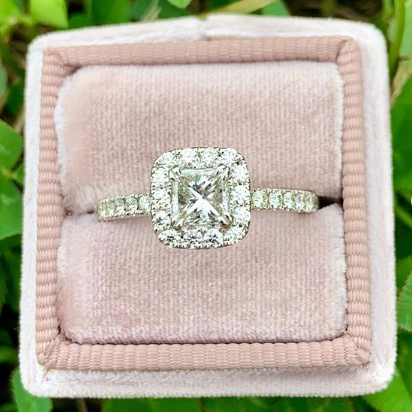
Princess
Square with sharp corners, the princess cut offers a bold, contemporary look.
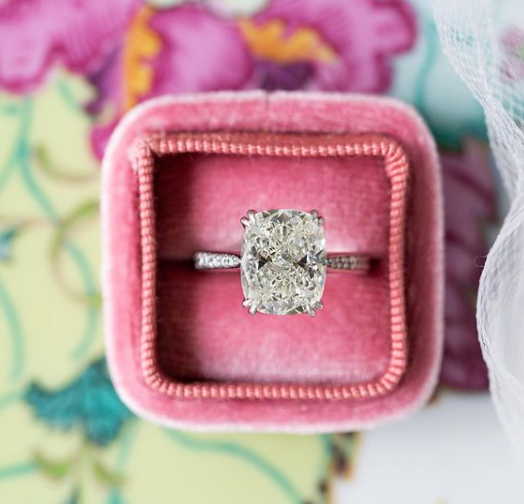
Cushion
A square or rectangular outline with softly rounded corners, resembling a pillow.
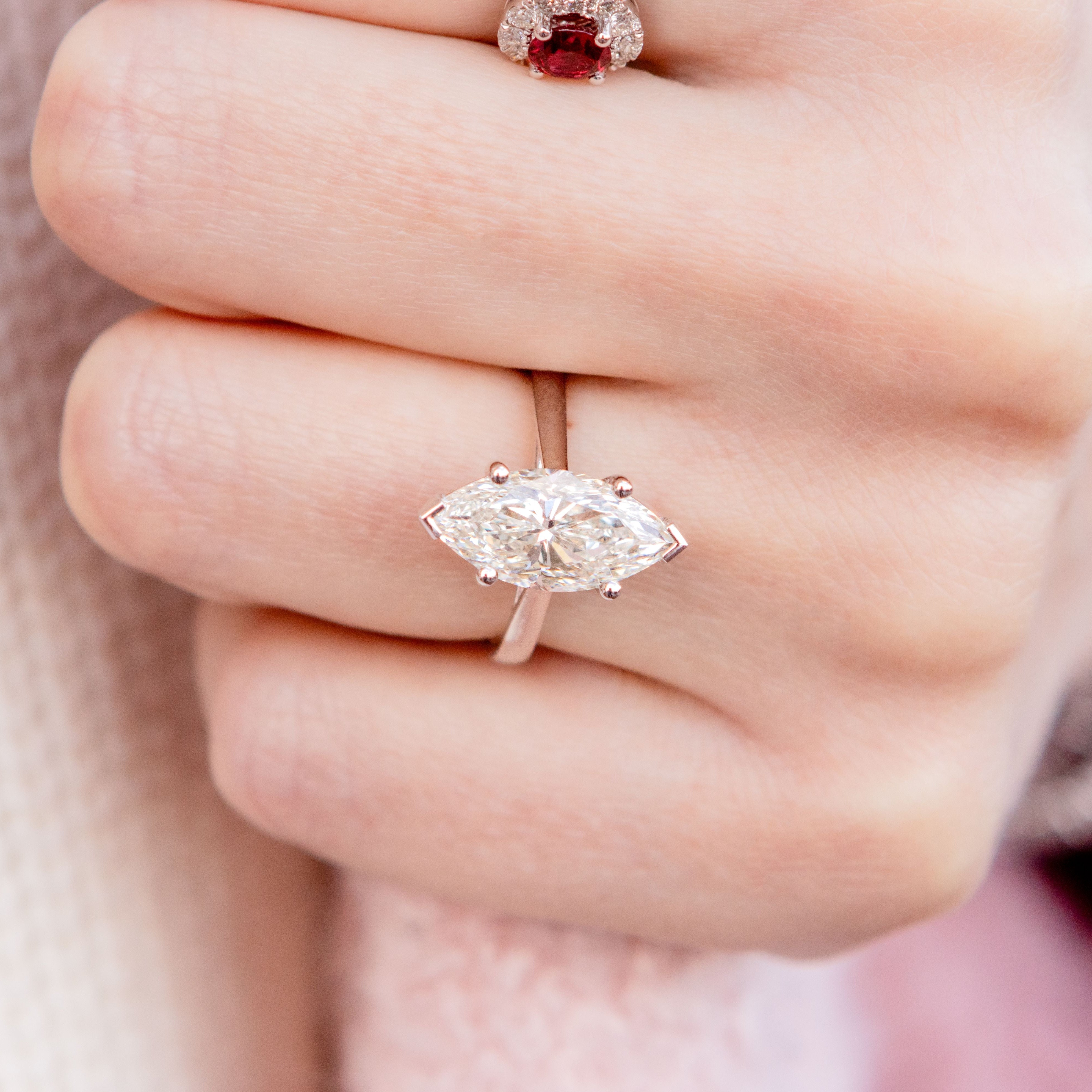
Marquise
An elongated stone with two pointed ends that maximizes carat weight and lengthens the finger.
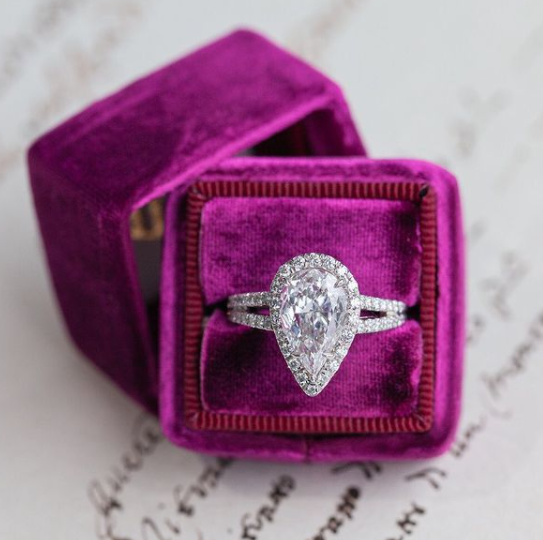
Pear
A brilliant-cut gem that combinse a round base with a tapered point.
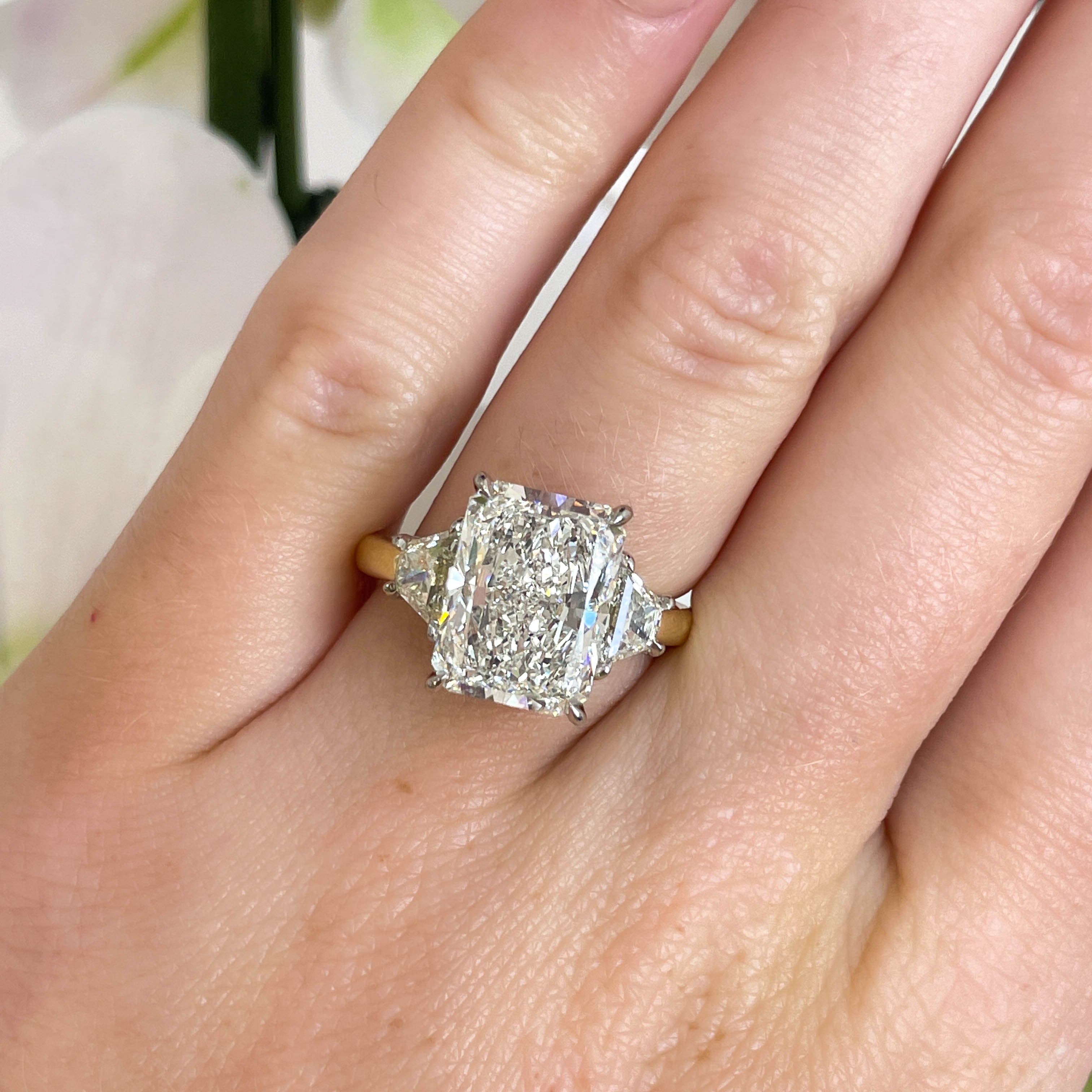
Radiant
A brilliant-cut stone known for its exceptional sparkle.
Why buy a diamond from Bailey's?
Our Diamond Expertise
We carefully select diamonds based on quality, craftsmanship, and value to help you find a stone that lasts a lifetime.
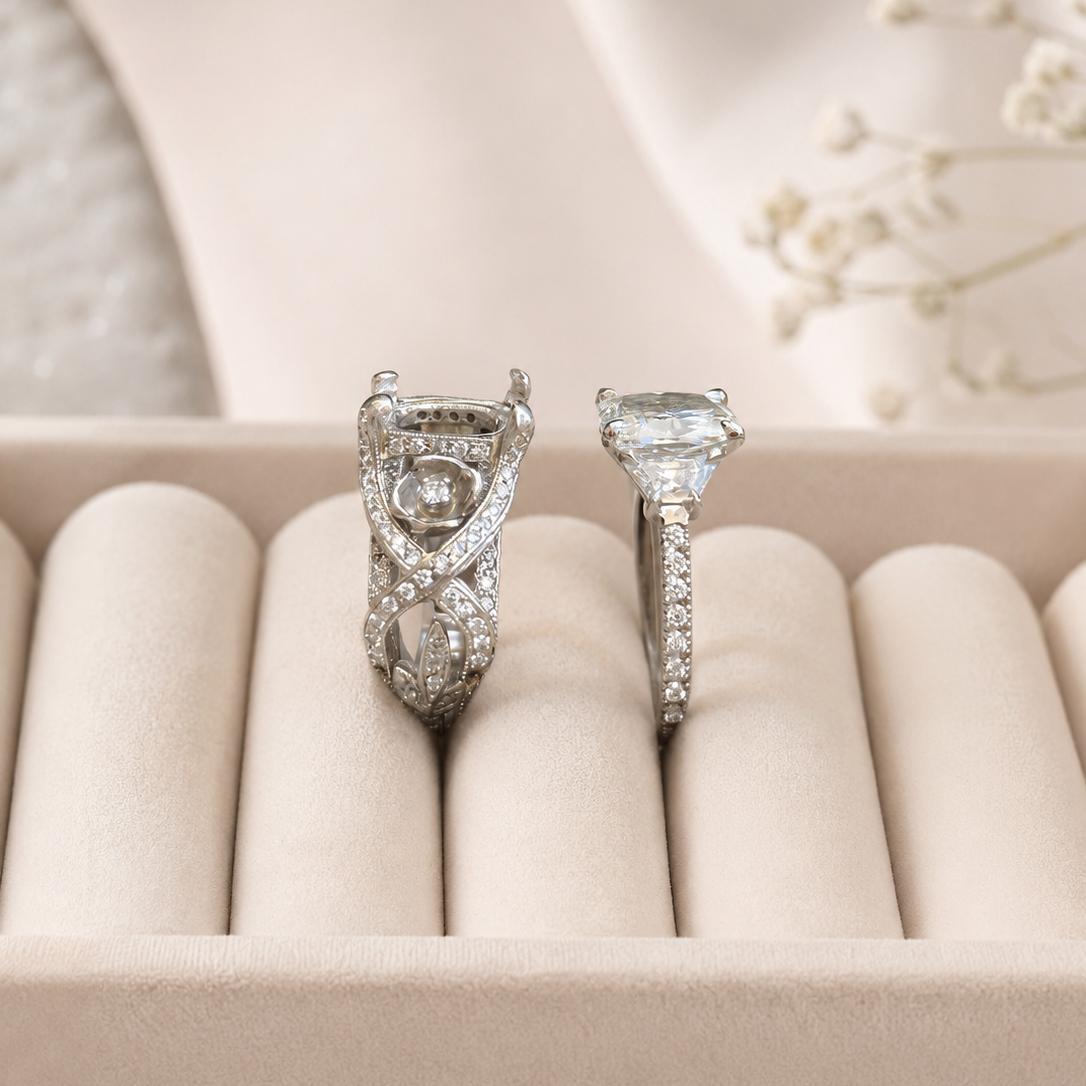
Love Grows, Your Diamond Should Too!
Diamond Upgrades
Diamond upgrades are one of the many benefits of purchasing a diamond from Bailey's!
At its core, a diamond upgrade means replacing your current diamond with one that better suits your style or stage of life. Whether you're looking for a larger carat size, a different shape, color, or quality, the choice is entirely yours. From simple swaps to full redesigns, we make it easy for you to upgrade!
If you bought your diamond at Bailey’s, you may trade in your diamond at any time for a diamond of greater value! The full value of your original diamond will be credited toward your purchase of a new diamond.*
*Lab grown diamonds are excluded from Bailey’s trade-ins and upgrades.
Upgrade Your Diamond
A diamond upgrade is selecting a different diamond and placing it into your current ring. You can choose a different shape, size, quality, or color diamond. It’s up to you! If the new diamond you select does not fit into your current setting we can alter it in our Bailey’s Custom Workshop or you can select a new setting as well.
Re-Set Your Diamond
Love your diamond, but looking for something a little different? Why not keep the diamond you have and select a new setting or have one custom-made in our Bailey’s Custom Workshop? We have an amazing selection of settings to choose from, or our jewelers can create a new design that incorporates your original diamond, even if you pick out a new diamond (or two!) to go with it!
Pick out a new diamond
If you’re looking for a brand-new diamond ring, you’re in luck. Come browse our amazing selection of diamond rings in every shape, size, and color. We’ll help you pick out the ring of your dreams!
View Our Locations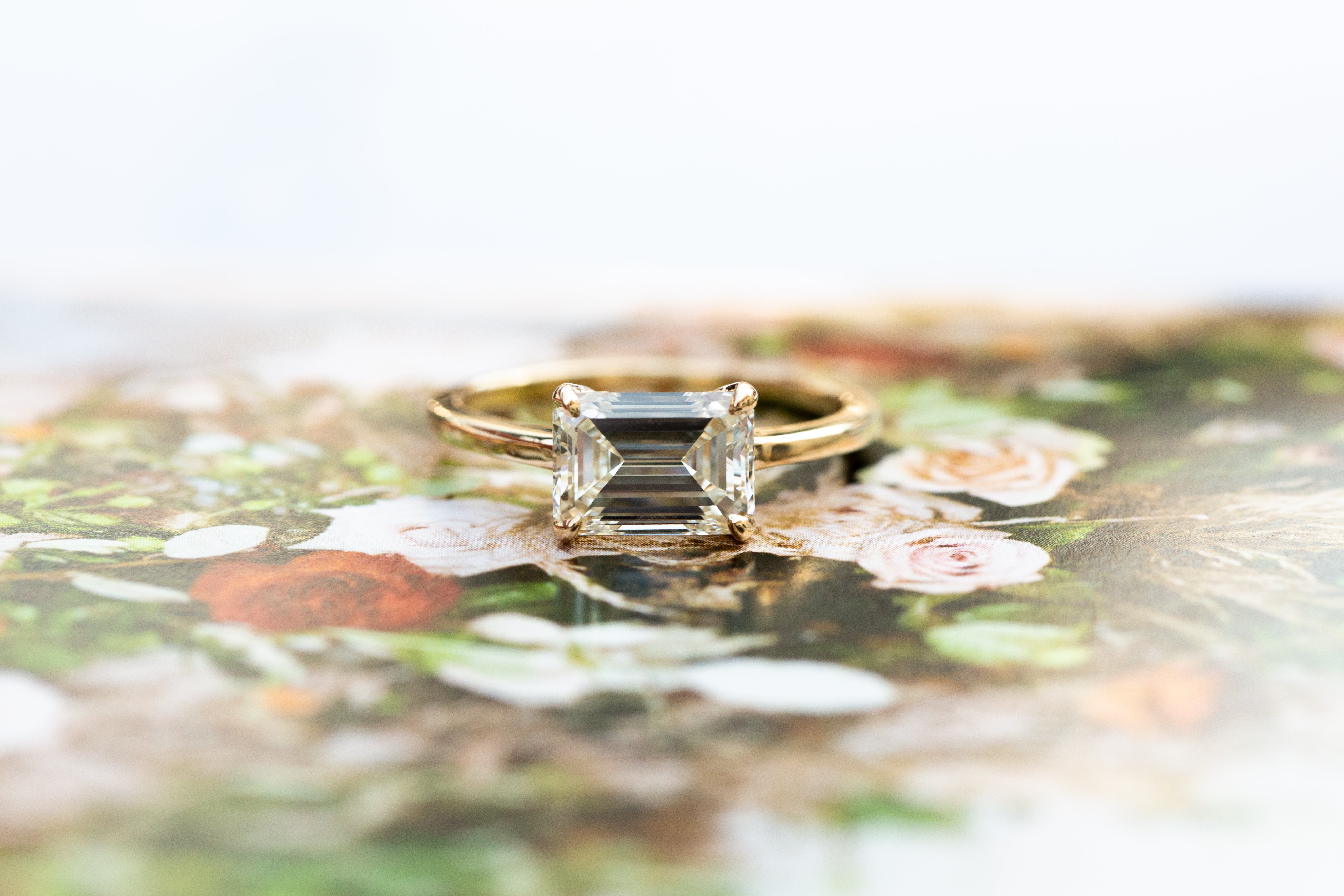
Want to learn more about fine jewelry?
Jewelry Dictionary
Our team of experts has put together a dictionary of common jewelry terminology. Use this as a resource during the custom design process, or just to learn more about the world of fine jewelry!
Want to learn more about engagement rings?
Bailey Bride University
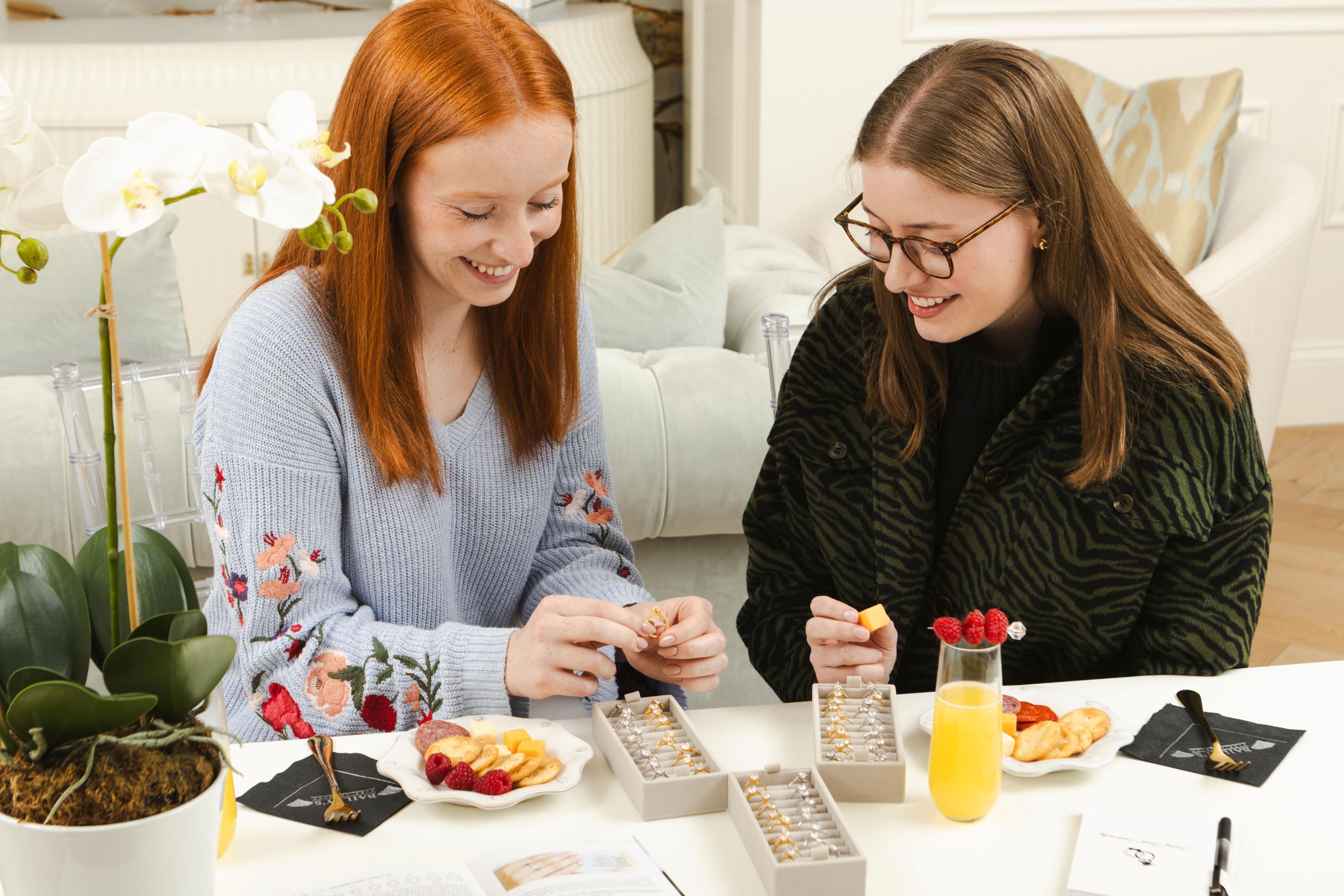
Join us for Bailey Bride University, an ongoing educational experience at Bailey’s Fine Jewelry in Raleigh’s Village District, designed to empower brides-to-be with everything they need to know about engagement rings, diamonds, and ring styles—all in a fun, welcoming, and pressure-free environment.
Ready to design your dream ring?
Bridal Consultation
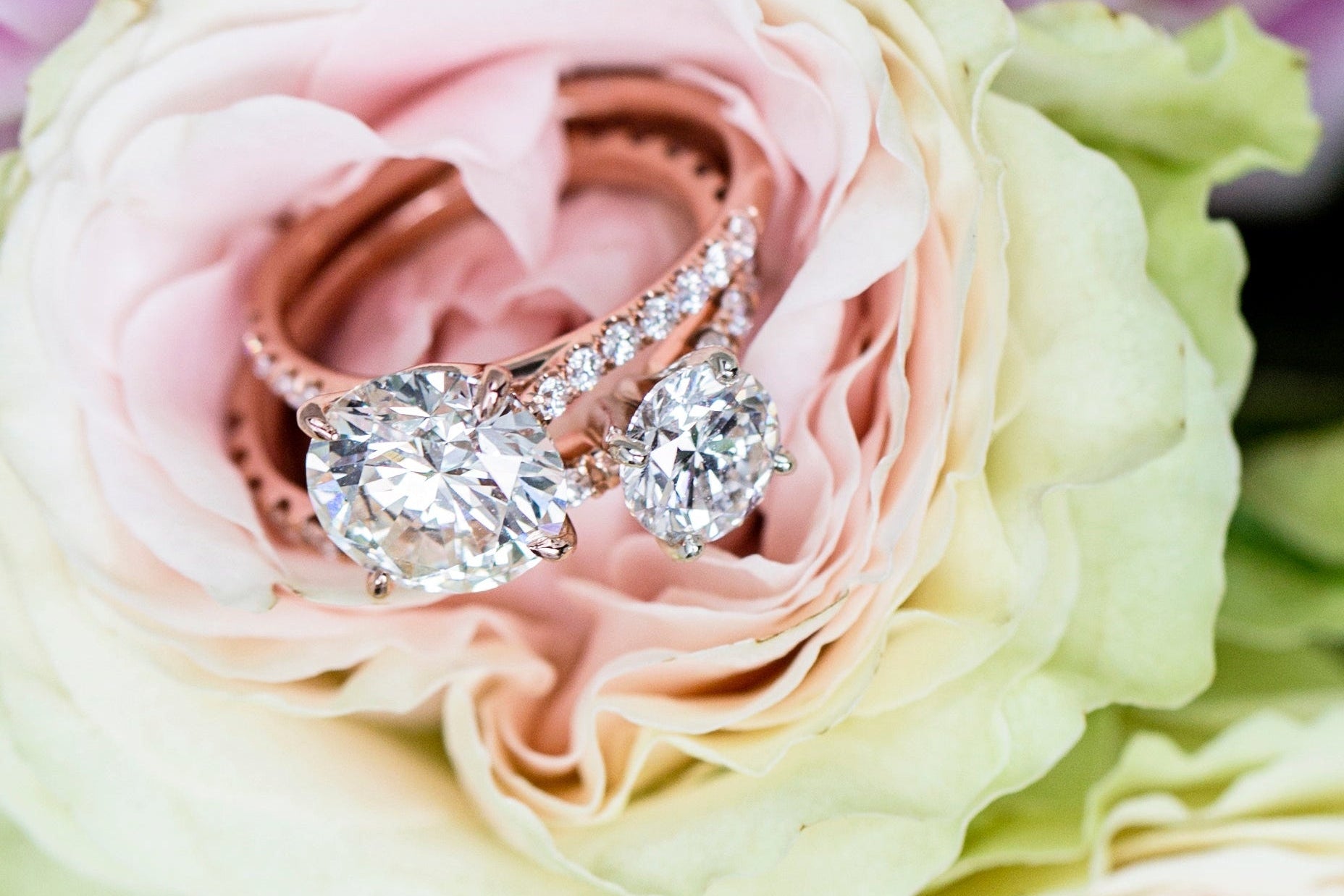
Find or design the perfect engagement ring and wedding band with one of our bridal specialists!
Frequently Asked Questions
A well-cut diamond with balanced color and clarity offers the best value and appearance.
Not necessarily—cut quality and proportions often matter more than size.
Yes, they have the same physical and chemical properties as natural diamonds. The difference is that they are created from a synthetic process, rather than naturally.
The round brilliant cut is known for producing the most sparkle due to its optimal light reflection, but other well-cut shapes can also appear very brilliant.
Many buyers choose diamonds in the VS1–SI1 range, where inclusions are not visible to the naked eye but the price is more affordable.