


Gemstone Jewelry: What to Know About Sapphires, Rubies, and Emeralds
When it comes to colored gemstone jewelry, sapphires, rubies, and emeralds are among the most sought-after. Each has its own unique character, history, and value considerations, which makes comparing them a fun discussion. Whether you’re shopping for a special piece or just curious about these gems, here’s what you should know.
Sapphires
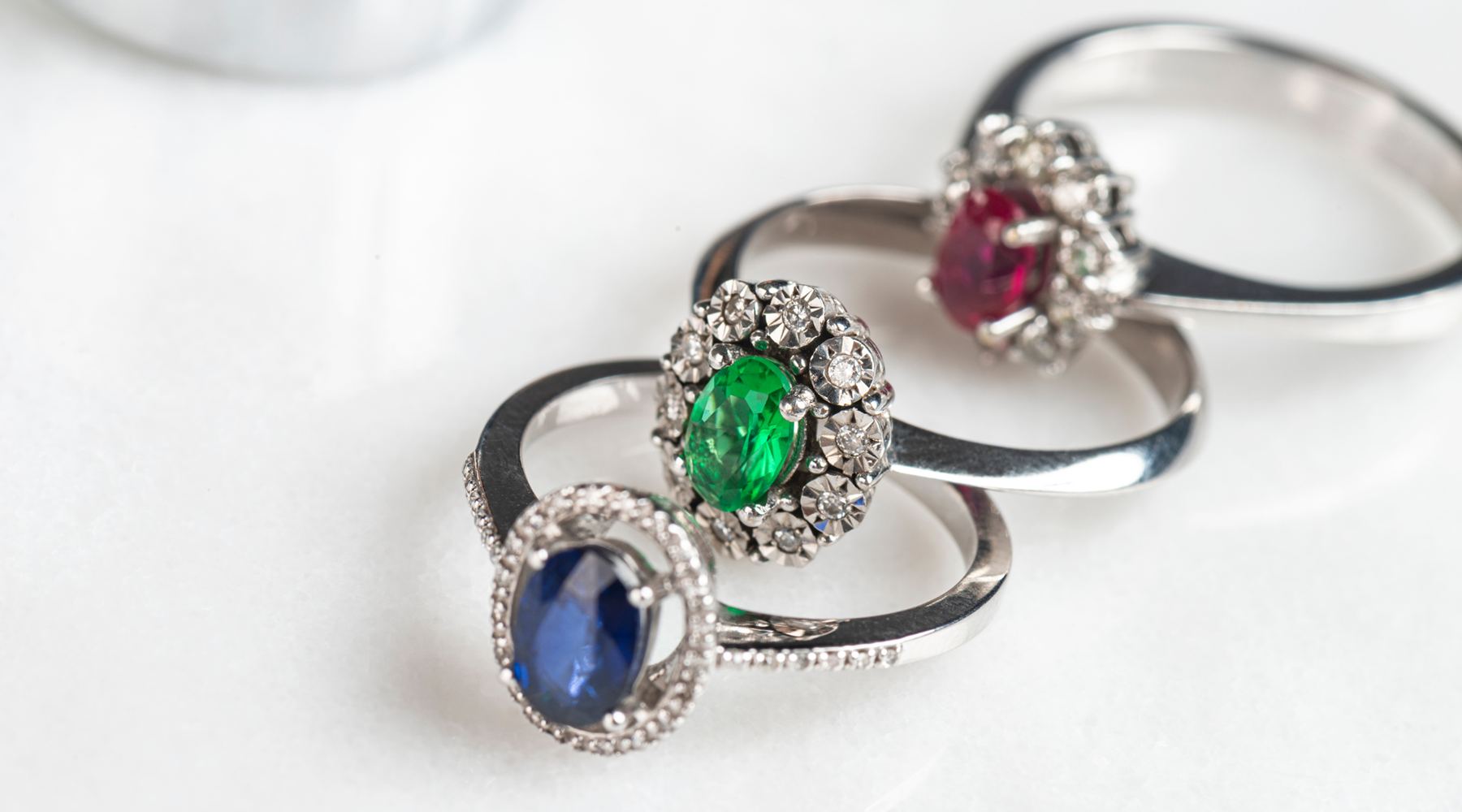
Sapphires are best known for their deep blue tones, though they actually come in a wide variety of colors, including pink, yellow, and even green. Blue remains the classic choice, especially when it’s rich and vivid. On the Mohs scale of hardness, sapphires score a 9 out of 10, making them highly resistant to scratching and very durable for daily wear. This durability is a big reason why sapphire engagement rings are popular, as they can stand the test of time much like a diamond.
Rubies
Rubies are another form of corundum, the same mineral family as sapphires, but they’re prized for their fiery red color. The most valued rubies feature what’s called “pigeon blood” red, which is a deep, vivid hue with just the right balance of brightness. Like sapphires, rubies are a 9 on the Mohs hardness scale, so they’re also extremely durable. Their bold red color has long been associated with passion, love, and power, giving them a strong cultural and emotional significance in jewelry.
Emeralds
Emeralds are part of the beryl family and stand out for their lush green tones. Unlike sapphires and rubies, emeralds rank lower on the Mohs scale at about 7.5 to 8, which makes them somewhat softer and more prone to surface scratches. They also often contain inclusions, sometimes called “jardin” (French for “garden”), which give them character but also affect durability. For this reason, emeralds require more care in daily wear compared to sapphires and rubies. However, their striking color and rarity make them a timeless favorite.
Which is More Valuable?
A common question is whether sapphires, rubies, or emeralds are the most valuable. The answer isn’t simple. It depends on several factors: size, color quality, clarity, and origin all play a role. For example, a high-quality Burmese ruby can fetch a higher price than an emerald or sapphire of similar size, while a rare Colombian emerald might command more than many rubies. Even within one type of gemstone, the price can vary dramatically depending on these details. Rather than one stone always being “worth more,” it’s more accurate to say that value is determined by the combination of rarity and quality in each individual gem.
Birthstones and Anniversary Traditions
Sapphires, rubies, and emeralds also hold special meaning as birthstones and anniversary gifts. Sapphires represent September birthdays and are the traditional gemstone for the 5th and 45th wedding anniversaries. Rubies are July’s birthstone and are most often given for the 15th and 40th anniversaries, symbolizing enduring passion. Emeralds mark May birthdays and are tied to the 20th and 35th anniversaries, representing lasting love and renewal. Each gem not only carries beauty but also tradition, making them thoughtful and symbolic choices for life’s milestones.
Jewelry That Speaks to You
Sapphires, rubies, and emeralds each bring something unique to the world of fine jewelry. Sapphires are versatile and extremely durable, rubies captivate with their rich red hues and symbolism, and emeralds enchant with their vibrant greens despite needing more care. When choosing between them, consider both personal style and the practical aspects of wearability. Most importantly, remember that value isn’t just measured in price, it’s also in the meaning and enjoyment you find in wearing a gemstone you love.