




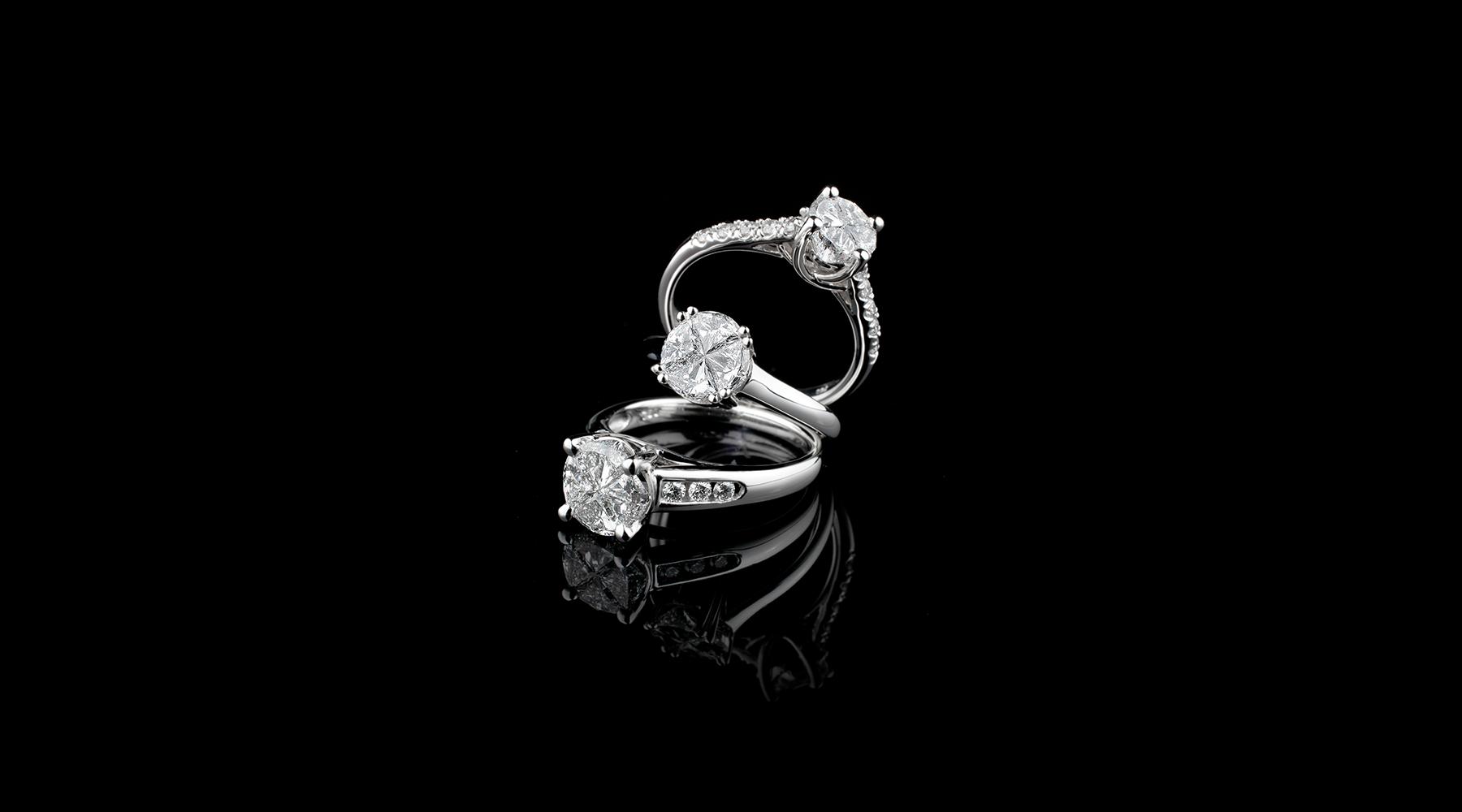
White Gold vs. Platinum: What’s the Difference?
When it comes to fine jewelry, white gold and platinum are two of the most popular choices for rings, necklaces, and bracelets. At first glance, the two metals look very similar, but there are important differences in their composition, durability, maintenance, and cost that can influence a buyer’s decision.
Composition and Durability
White gold is made by mixing yellow gold with alloys such as nickel, palladium, or silver to create a lighter tone. Most white gold jewelry is then plated with rhodium, which gives it a bright white finish. Platinum, on the other hand, is naturally white and does not require plating. It is typically used at very high purity levels, often around 95%.
Both platinum and white gold will show scratches over time, but they wear in different ways. Platinum tends to displace rather than lose material when it’s scratched, meaning the metal shifts on the surface rather than being removed. Over the lifespan of a piece, white gold can lose a noticeable amount of metal, particularly in delicate areas. This loss can weaken the structure of a piece more quickly than platinum, which retains its mass even after many years of wear and refinishing. For this reason, platinum jewelry generally offers greater long-term durability.
Color and Maintenance
One of the main differences between these metals is how they maintain their color. White gold’s rhodium plating will gradually wear away with everyday wear, revealing the warmer tones of the underlying gold. To restore its bright white look, it will need to be re-plated periodically.
Platinum maintains its natural white color without plating. However, it does develop a patina over time which is a soft, matte finish that many people find desirable. If a polished look is preferred, platinum can be buffed without the concern of wearing away a surface layer, unlike rhodium-plated gold.
Weight and Feel
Platinum is significantly denser than white gold, making it feel heavier on the hand. Some people prefer the substantial weight as it adds to the sense of permanence and luxury, while others may find white gold more comfortable for everyday wear due to its lighter feel.
Allergies and Skin Sensitivity
Allergies are another factor to consider. Because platinum jewelry is usually 95% pure and contains very little alloy, it is naturally hypoallergenic. This makes it a good choice for people with sensitive skin or known metal allergies. White gold, on the other hand, often contains nickel, which can cause reactions in some individuals unless higher-end alloys are used.
Cost Considerations
Platinum is generally more expensive than white gold. Its higher density means more material is required to make a piece, and its purity adds to the cost. White gold is often chosen as a more affordable alternative that still offers a similar appearance, though long-term maintenance costs such as rhodium re-plating should also be considered.
Which Is Right for You?
The choice between white gold and platinum often comes down to lifestyle and personal preference. White gold offers a lighter weight and lower upfront cost but requires more maintenance to preserve its bright color. Platinum is heavier, hypoallergenic, and longer-lasting, with a naturally white tone that never needs re-plating.
Both metals provide excellent options for fine jewelry, and understanding these differences can help ensure that your choice fits your budget, comfort, and long-term expectations.