

The Cushion Cut Is Back—But Its Story Is Hundreds of Years Old
The cushion cut is having a moment.
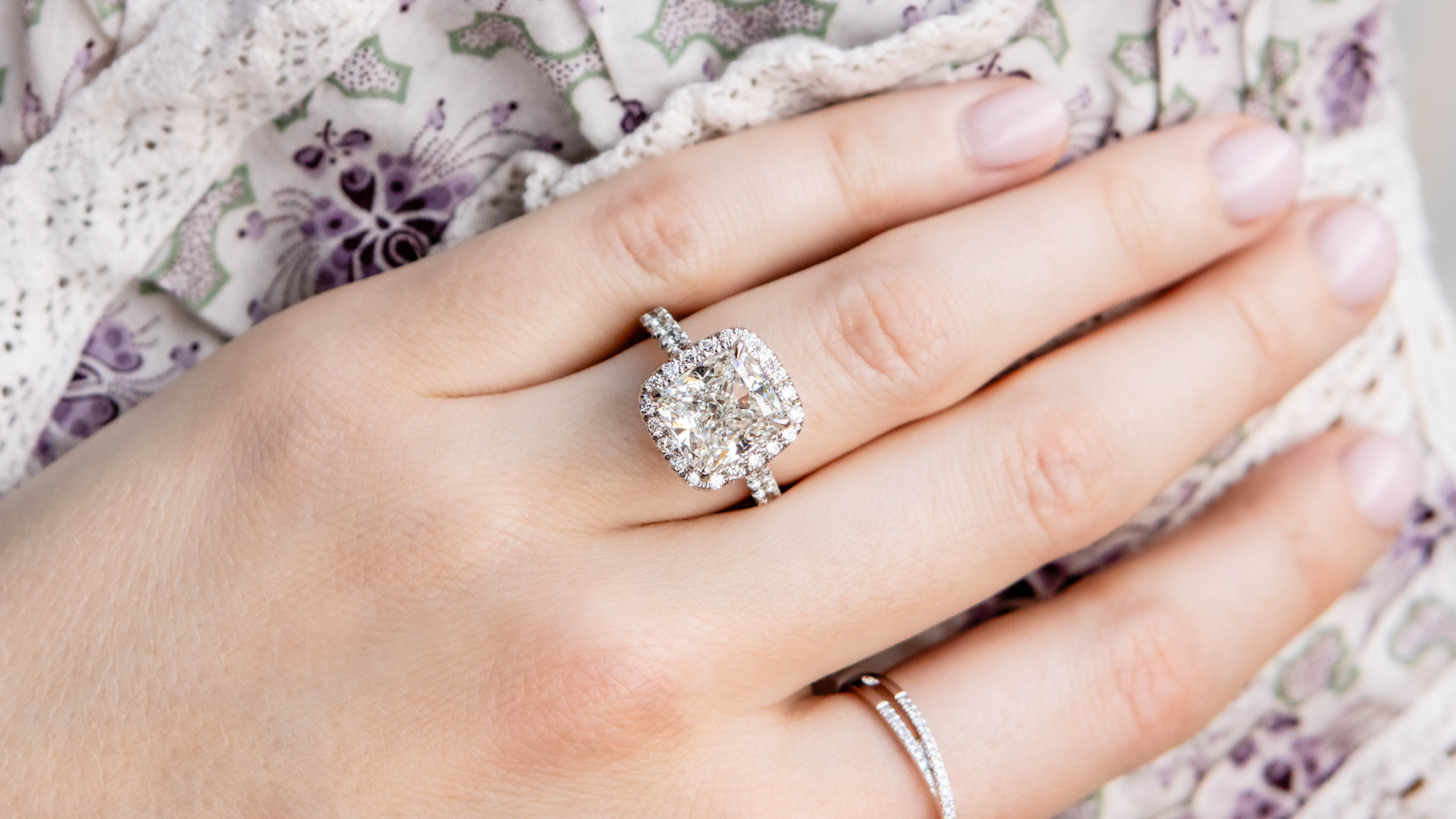
From red carpets to engagement rings, this softly squared diamond shape has been showing up everywhere—and for good reason. With its rounded corners, generous facets, and romantic silhouette, the cushion cut offers something that feels both timeless and distinctly its own.
But while the cushion cut may feel newly fashionable, its story is anything but new.
In fact, the cushion cut traces its roots back hundreds of years, to a time when diamonds were cut by hand and illuminated by candlelight. Long before the modern round brilliant became the standard for diamond sparkle, cushion-shaped stones were among the most coveted diamonds in the world.
Today, the cushion cut is experiencing a revival that goes beyond celebrity jewelry. It reflects something we're seeing more broadly in the world of jewelry: a growing appreciation for individuality, character, craftsmanship, and the stories behind the stones we wear.
So, let's take a closer look at where the cushion cut came from, how it evolved, and what to know if you're considering one for your own collection.

From Old-Mine Diamonds to the Modern Cushion
The cushion cut is one of the oldest recognizable diamond shapes.
Its earliest roots can be traced to the early 18th century, when diamond cutters were developing ways to maximize the beauty of diamonds under candlelight. These early stones were cut by hand, with proportions and facet patterns that were very different from the precision cutting we see today.
One of the most important predecessors to today's cushion cut was the old mine cut.

Old mine diamonds were generally characterized by a squarish or slightly rectangular outline, rounded corners, a high crown, a relatively small table, and large, often asymmetrical facets. Because they were cut by hand, no two stones were exactly alike.
And they weren't designed to perform under today's electric lighting.
They were designed for candlelight.
That distinction matters.
The facets of an antique diamond were shaped to interact with the warm, flickering light of candles and fire. Rather than the crisp, highly controlled flashes of light associated with a modern brilliant-cut diamond, old mine diamonds tend to produce a softer, broader, more romantic type of sparkle.
Over hundreds of years, diamond cutting became increasingly precise. Advances in technology allowed cutters to create more symmetrical proportions and sophisticated facet arrangements designed to maximize brilliance and fire under modern lighting.
Eventually, the modern round brilliant emerged as the benchmark for diamond sparkle.
But the cushion never disappeared.
Instead, it evolved.

What Makes a Cushion Cut a Cushion?
At its simplest, a cushion cut combines a square or rectangular shape with curved sides and rounded corners.
Those softened edges are what give the shape its signature pillow-like appearance—and its name.
Unlike a round brilliant, which has a perfectly circular outline, a cushion has a more distinctive silhouette. Depending on the proportions and facet pattern, it can feel vintage and romantic, modern and architectural, or somewhere beautifully in between.
Traditional cushion cuts typically have 58 facets, although modern variations can feature additional facets and different arrangements designed to increase brilliance.
And that's one of the most interesting things about cushion cuts today: there isn't just one way to cut a cushion.
Two cushions can have the same carat weight and similar dimensions but look dramatically different on the hand.
That's part of the appeal.

Square or Elongated? Finding Your Cushion Shape
When shopping for a cushion cut, one of the first things you'll notice is that some cushions look nearly square while others have a distinctly rectangular appearance.
For a classic square cushion, a length-to-width ratio around 1.00 to 1.05 is a good starting point.
An elongated cushion has a higher length-to-width ratio, creating a more rectangular outline. This variation has become especially popular for engagement rings because it gives the cushion silhouette a longer, more elegant appearance on the finger.
Neither is inherently better.
It's really about what you love.
A square cushion tends to feel more traditional and symmetrical, while an elongated cushion can feel slightly more contemporary and can create the visual effect of a longer stone.
When choosing between them, we'd always recommend looking at the actual diamond—not just the numbers on a grading report.


Why Antique Diamonds Sparkle Differently
One of the most fascinating things about antique and old-mine-style diamonds is that their beauty isn't necessarily about achieving maximum brilliance by today's standards.
It's about personality.
Because antique diamonds were cut by hand, their facets can vary slightly in size and shape. Their proportions may be deeper, their culets larger, and their symmetry less exact than what we'd expect from a modern diamond.
Those characteristics create a different visual experience.
Instead of the precise, rapid flashes of light you might see from a modern brilliant-cut diamond, antique diamonds often have a softer, more scintillating appearance. Their larger facets can create flashes that feel broader and more fluid.
Think of it as the difference between a perfectly polished modern photograph and an old film photograph.
Both can be beautiful.
They simply tell the story differently.
And for many diamond lovers today, that individuality is exactly the point.
The 4 Cs Still Matter
Of course, choosing a cushion cut isn't only about shape and history.
The **4 Cs—cut, color, clarity, and carat weight—**still play an important role in determining how a diamond looks and performs.
But cushion cuts have a few characteristics worth keeping in mind.
Cut
Cut is particularly important because cushions can vary considerably in their proportions and facet patterns.
Unlike round brilliant diamonds, which have more standardized cutting parameters, cushion cuts offer much more variation. A well-cut cushion can have beautiful brilliance and fire, while another cushion of the same size and quality grades may look quite different.
This is why seeing the diamond in person—or working with a trusted jeweler who can help you evaluate it—is so important.
Color
 Cushion cuts can sometimes show more body color than a round brilliant because of their larger facets and cutting style.
If you're drawn to a bright, icy-white appearance, you may want to prioritize a higher color grade.
But if you're open to a warmer look, a slightly lower color grade can sometimes add to the romantic, antique-inspired character of the stone.
There isn't one "right" color grade. It's about the appearance you want.
Clarity
The larger facets of a cushion cut can also make inclusions easier to see.
That doesn't necessarily mean you need the highest clarity grade available. Instead, look for a diamond that is eye-clean—meaning inclusions aren't readily visible without magnification.
In some cases, choosing a slightly lower clarity grade can allow you to put more of your budget toward size or another characteristic that matters more to you.
Carat Weight
 Here's something that can surprise cushion-cut shoppers: a cushion may appear smaller than a round brilliant of the same carat weight.
Cushions tend to have larger tables and can have deeper proportions, meaning more of the diamond's weight can be carried below the surface.
That's another reason not to shop by carat weight alone.
Measurements—and most importantly, how the diamond actually looks—tell you much more about its presence on the hand.
Why the Cushion Cut Feels So Right Right Now
So why is this centuries-old shape suddenly feeling so relevant?
We think it has something to do with the way people are shopping for jewelry today.
For years, diamond buying was often centered around finding the biggest, brightest, most traditionally perfect stone possible.
Now, we're seeing more interest in diamonds that feel personal.
That might mean an antique diamond with a century-old history. It might mean an elongated cushion with distinctive proportions. It might mean a natural diamond whose inclusions tell part of its story.
The appeal isn't necessarily perfection.
It's character.
And cushion cuts are uniquely positioned to offer both.
They have a recognizable silhouette, a long history, and enough variation in their proportions and facet patterns that finding the "right" one can feel much more personal than simply checking boxes on a grading report.

A Shape With a Story
The cushion cut may be trending again, but it never really went away.
From hand-cut diamonds sparkling by candlelight centuries ago to today's beautifully precise modern cushions, the shape has evolved alongside the way we cut, wear, and appreciate diamonds.
And perhaps that's what makes its current resurgence so interesting.
The cushion cut connects two very different eras of diamond design: the romance and individuality of antique stones and the precision and performance of modern cutting.
For the modern diamond buyer, that means there are more possibilities than ever.
You can choose a crisp, contemporary cushion. A beautifully elongated version. Or a diamond inspired by the old-mine cuts of centuries past, complete with the unique character that comes from being cut by hand.
There is no single definition of the perfect cushion cut.
The perfect one is the one that feels like yours.
At Bailey's, we love helping our clients look beyond the numbers and discover the details that make a diamond special—from its proportions and sparkle to its history and personality.
Because the most memorable diamonds aren't always the ones that look exactly like everyone else's.
They're the ones with a story worth telling.